
Galaxies in the Autumn Night Skies
November - December
Added November 21, 2026 ...
The Andromeda and Triangulum Galaxies ... Click on any image for larger view
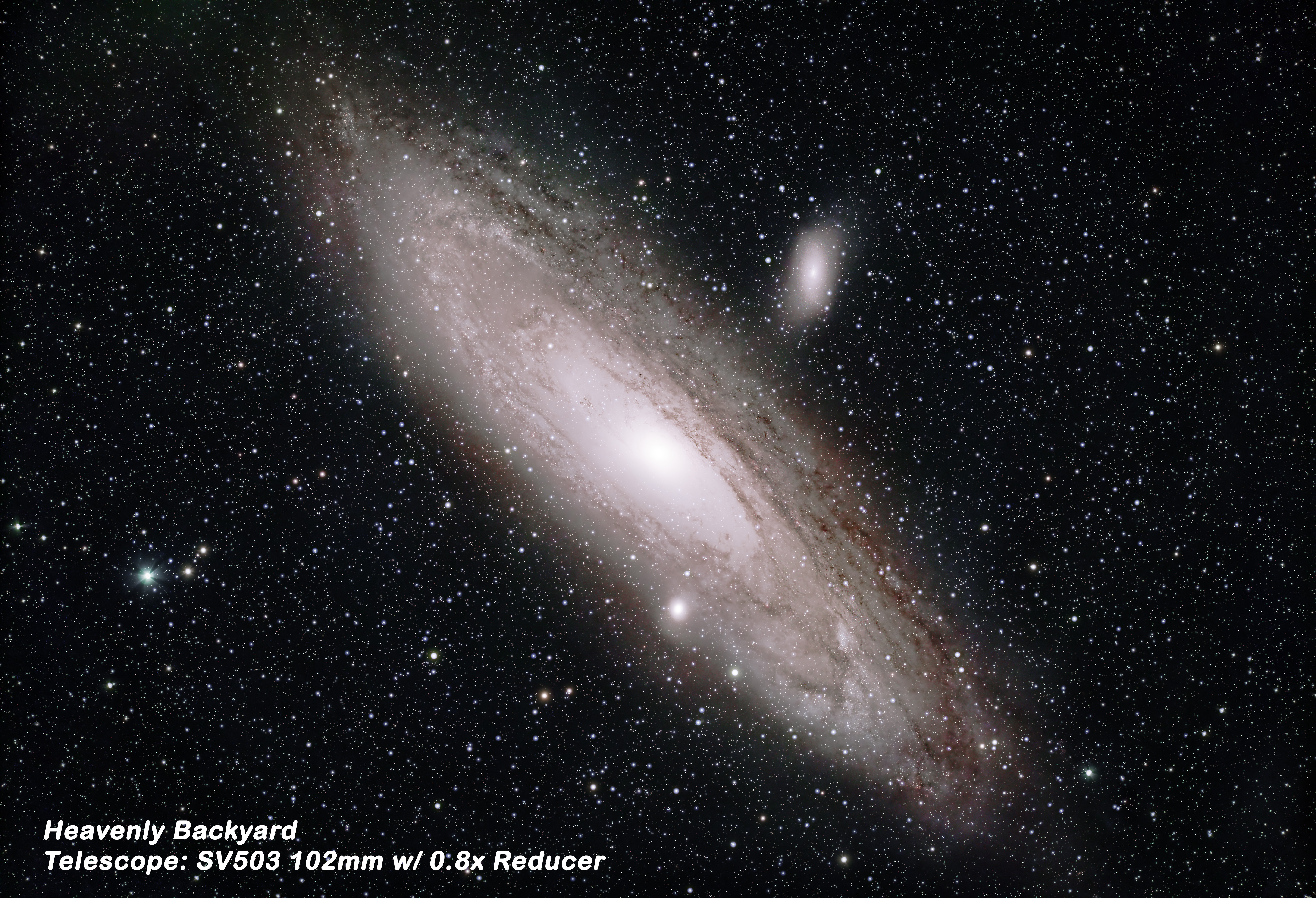 The Andromeda Galaxy |
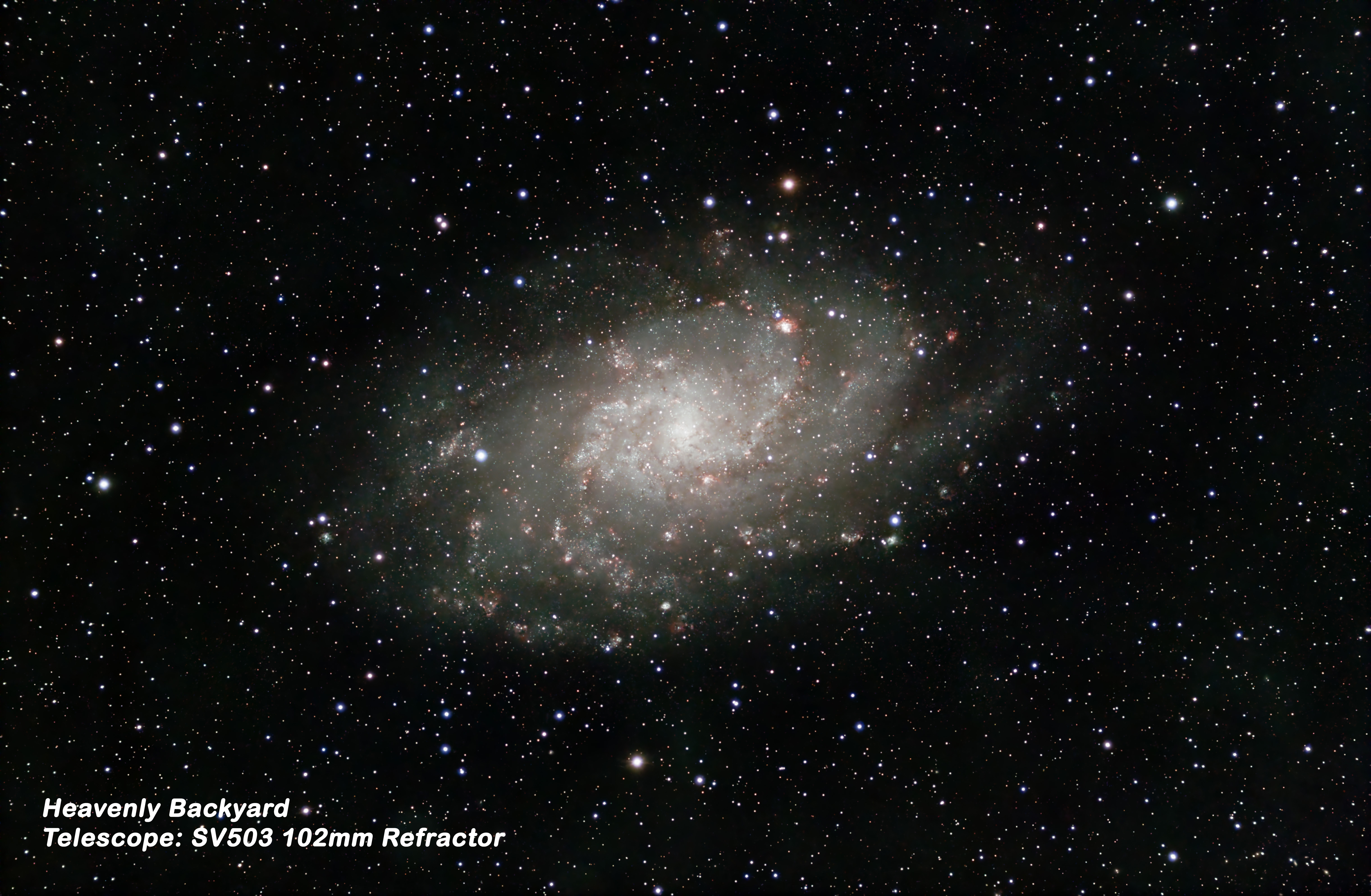 The Triangulum Galaxy |
This galaxy is located in the northern sky in the constellation of Andromeda.
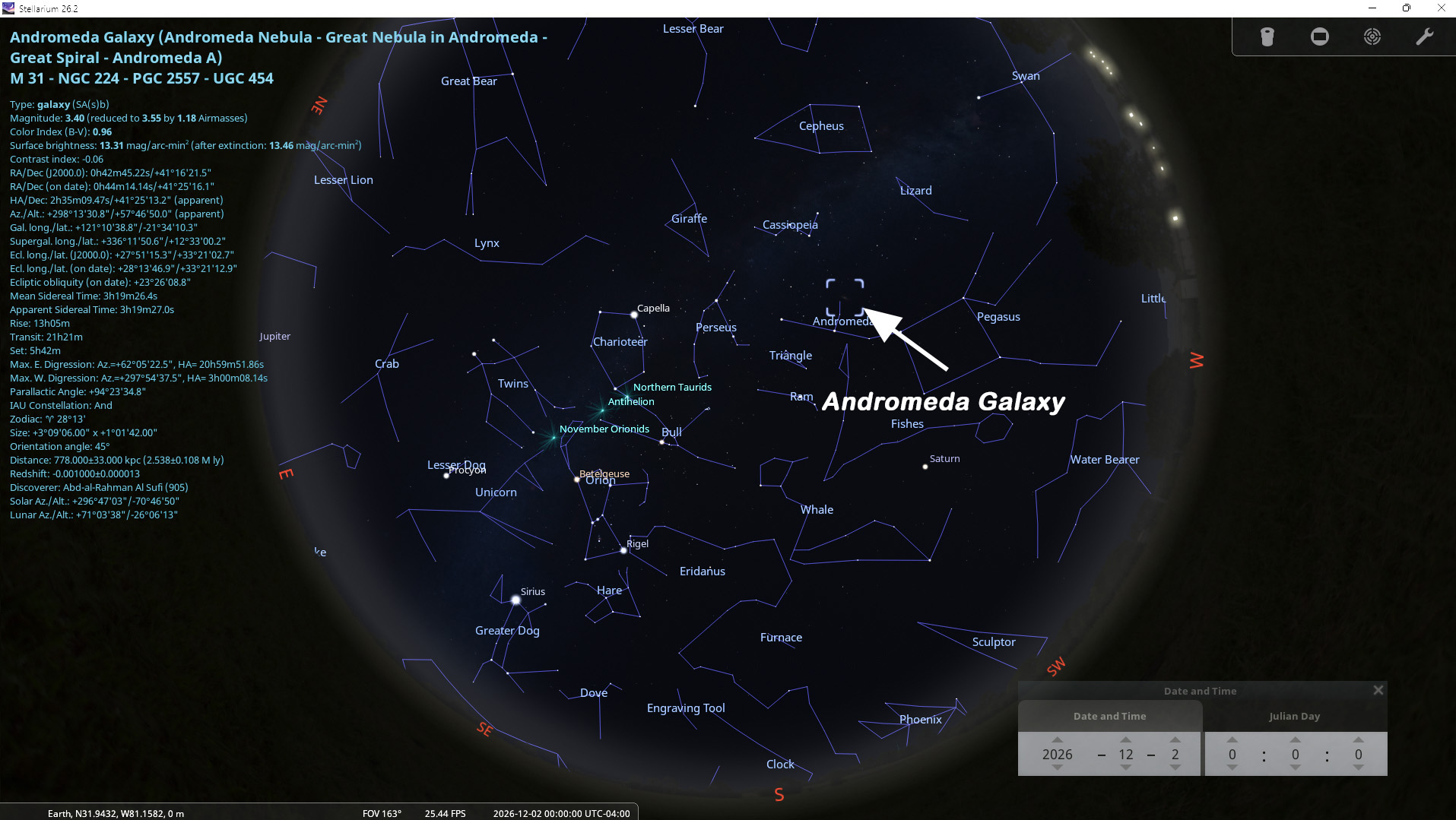
Messier 31 ... The Andromeda Galaxy ... is about 2.5 million light-years away. This is our closest galactic neighbor. It contains about 1 trillion stars! In the sky it is located in the constellation of Andromeda, "The Lady in the Chair". See Sky Chart
I took this image using the SvBony SV503 102mm Refractor telescope using the 0.8x reducer yielding a wide field of view.
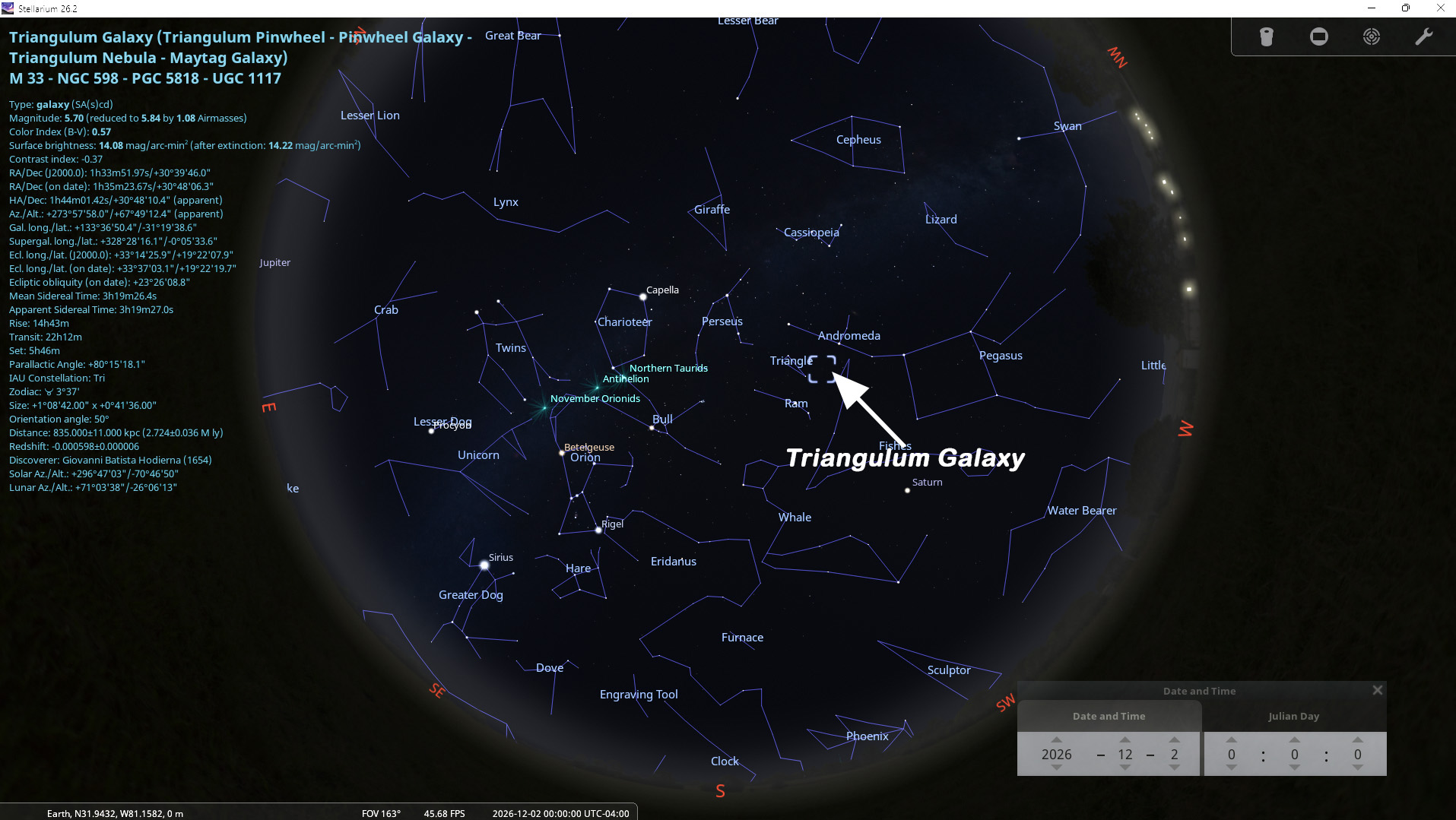
Messier 33 ... The Triangulum Galaxy ... is about 2.7 million light-years away. It too is our galactic neighbor. It contains about 40 billion stars, as compared to around 200 billion stars in our own Milky Way Galaxy. In the sky it is located in the constellation of Triangulum, "Triangle of 3 stars". See Sky Chart
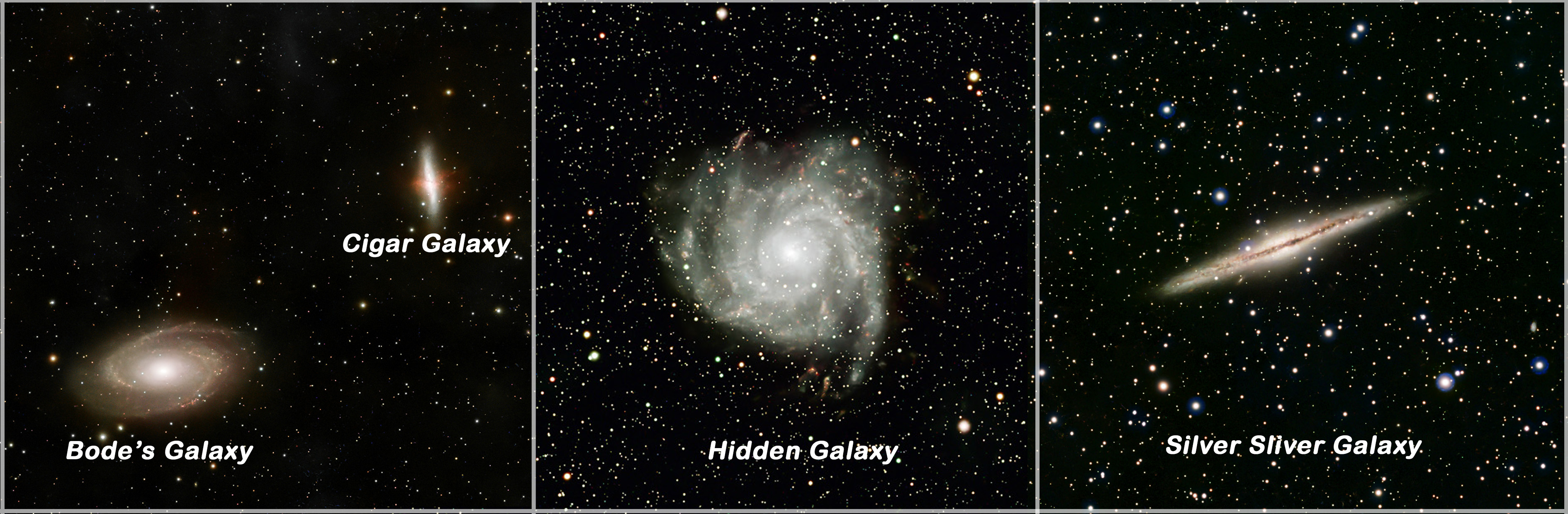 Bode's and Cigar Galaxies, The Hidden Galaxy, and The Silver Sliver Galaxy ... Images taken in the Heavenly Backyard in early to mid-November, 2026 |
Bode's and the Cigar Galaxies
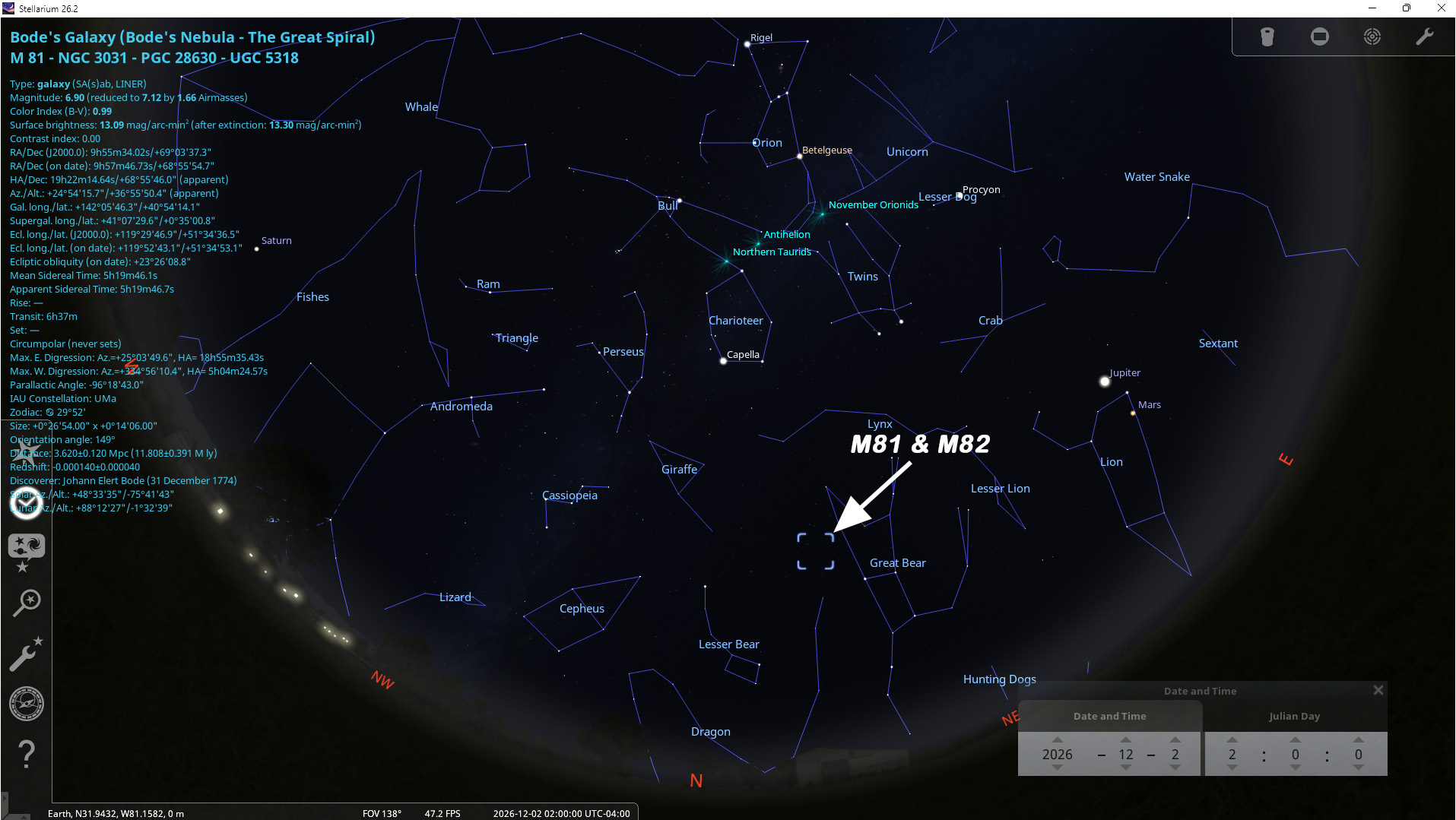
These two galaxies are found in the constellation of Ursa Major (The Big Dipper) Messier 81 is about 12 million light-years away. This is known as Bode's galaxy (discovered by Johann Elert Bode in 1774). It contains about 100 billion stars, about half as many as the Milky Way.
Messier 82 is known as the Cigar Galaxy (or as I like to call it the "Exploding Cigar Galaxy"). It too is about 12 million light-years away. It is much smaller, containing only abut 16.5 million stars. However, there is a significant burst of star formation resulting in the burst of hydrogen gas ejecting perpendicular from the core of the galaxy. This makes it a unique area of astronomical study.
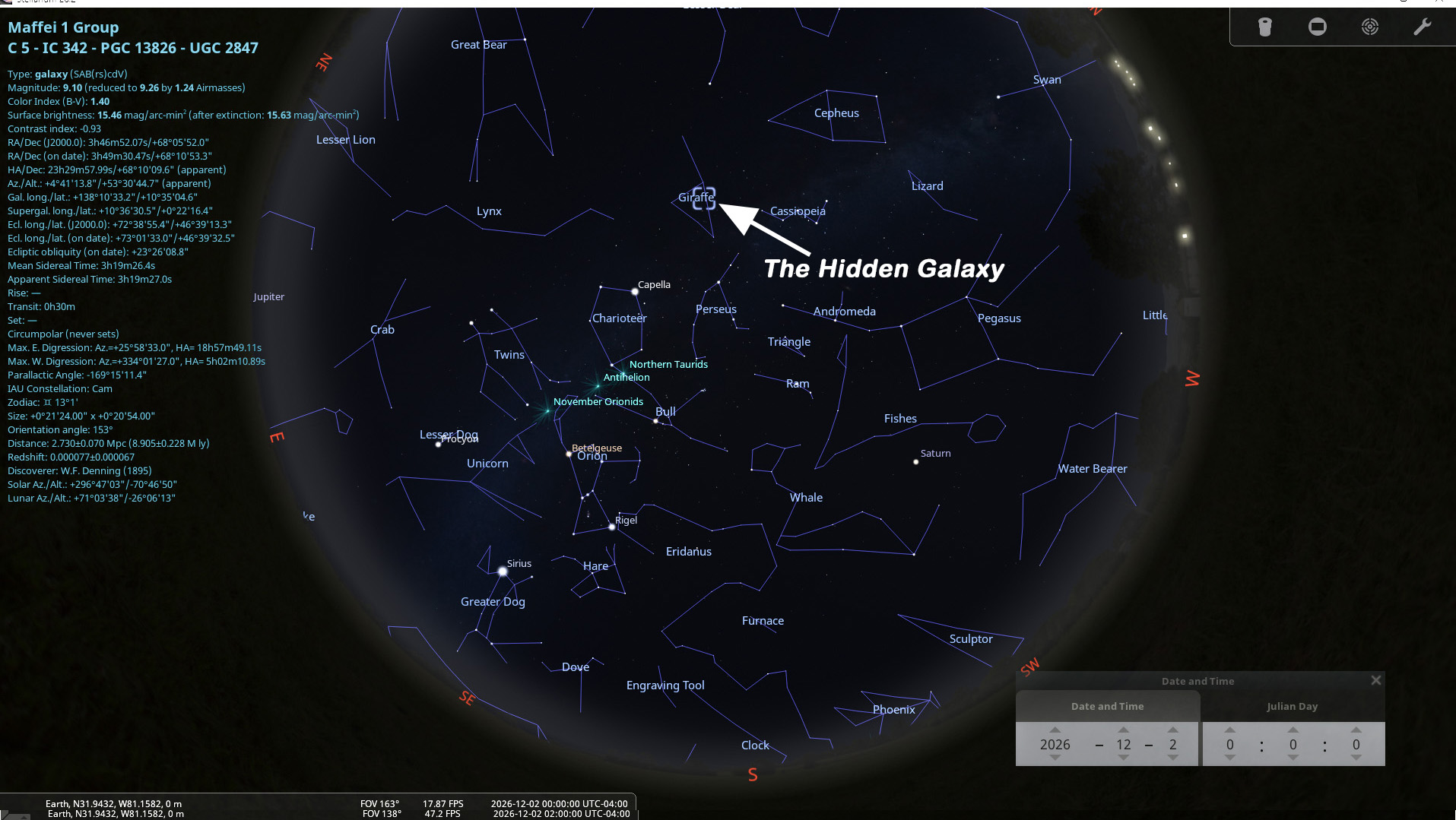
The Hidden Galaxy ... IC 342. This is a spiral galaxy located approximately 11 million light-years from Earth in the constellation Camelopardalis See The Sky Chart. It is a difficult galaxy to view and photograph due to a large region of interstellar dust between it and the Milky Way. It contains about 100 billion stars.
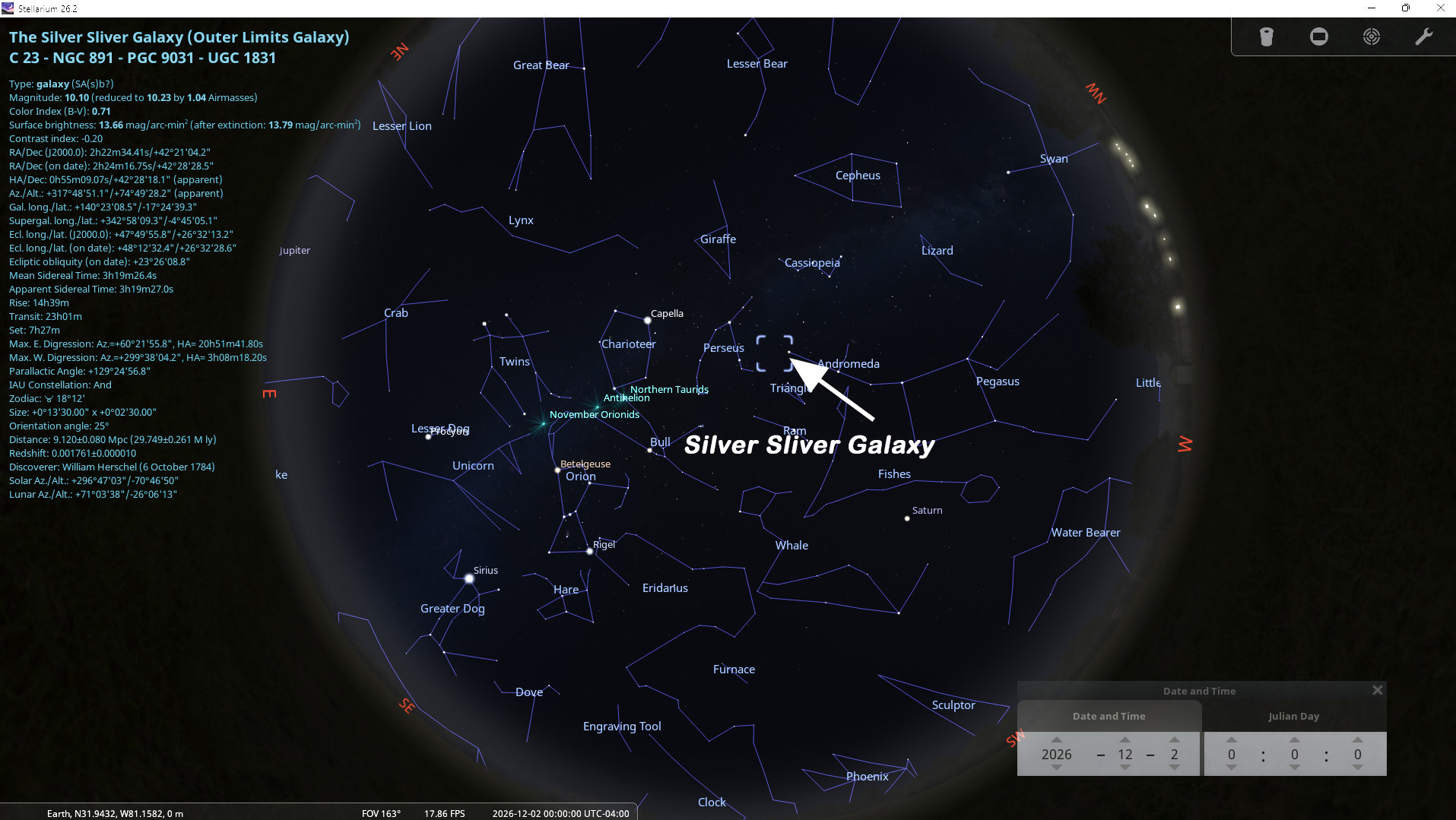
The Silver Sliver Galaxy is labeled as New General Catalog (NGC) 891. It is about 30 million light-years away in the constellation of Andromeda See Sky Chart. The galaxy exhibits prominent dust lanes giving its "Outer Limits" features.
The galaxy is nearly edge-on to our line of sight and contains about 500 billion stars. Our own Milky Way galaxy contains about half that many stars.
Hi have much more information about the Silver Sliver Galaxy here
******************************************************************************
Links to SvBONY products that I use or tested through my Amazon store. (Note: I do get a slight commission that aids in support of my YouTube channels and website at no cost to you)
Amazon Links:
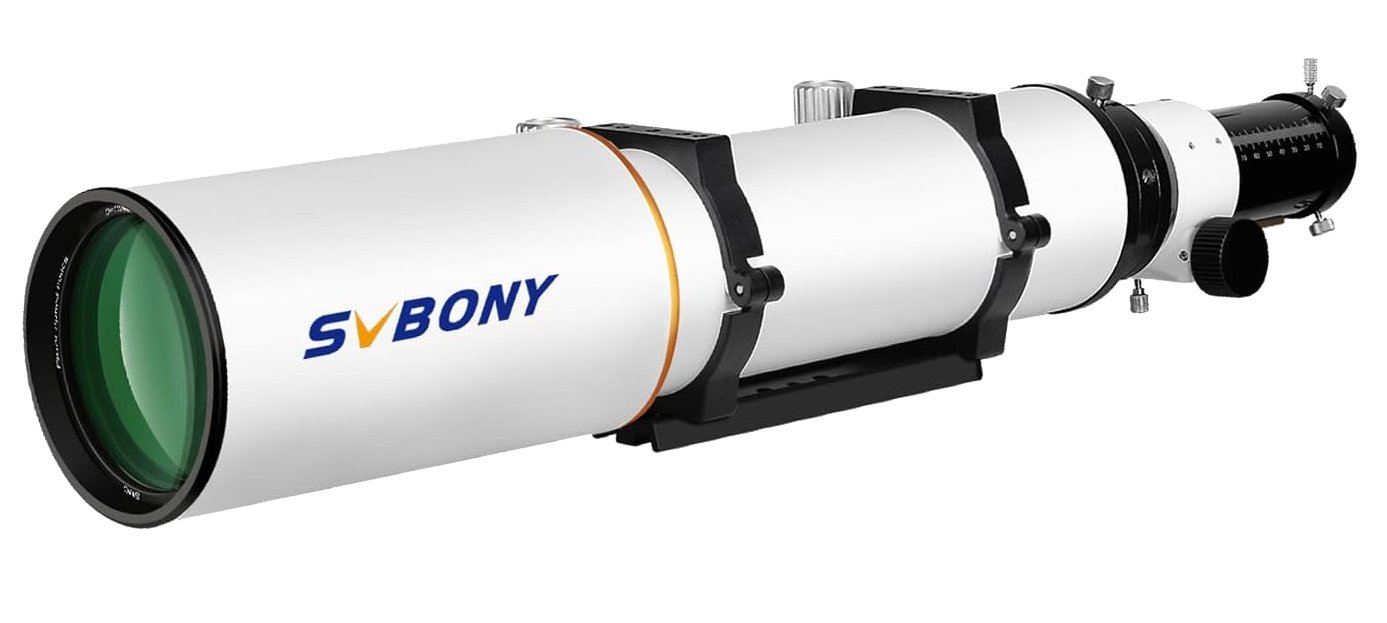
SVBONY SV503 Refractor Telescope with Built-in Field Flattener, 102mm F7 Extra Low Dispersion Achromatic Refractor OTA, Telescope
My Video Review of the SV503 Telescope
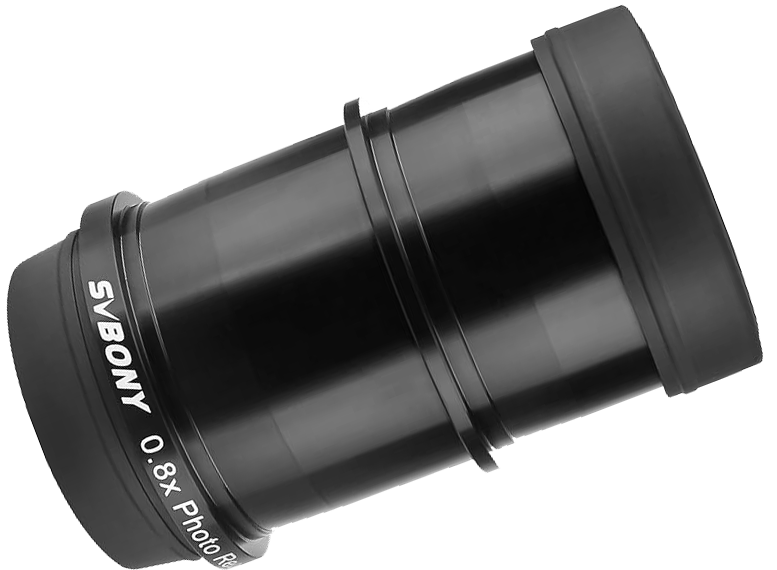
SVBONY SV193 0.8X Focal Reducer Field Flattener, for SV503 102mm Telescope
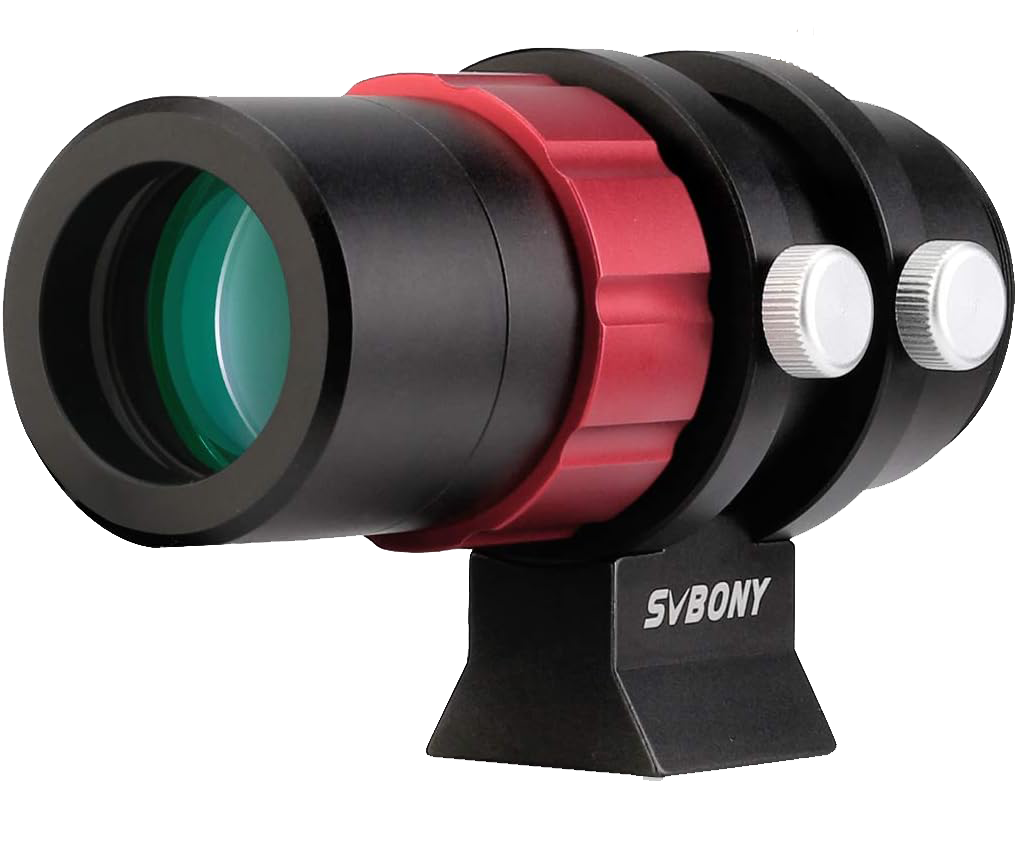
VBONY SV165 Guide Scope, 30mm Focal Ratio F4 Mini Finder and Guide Scope
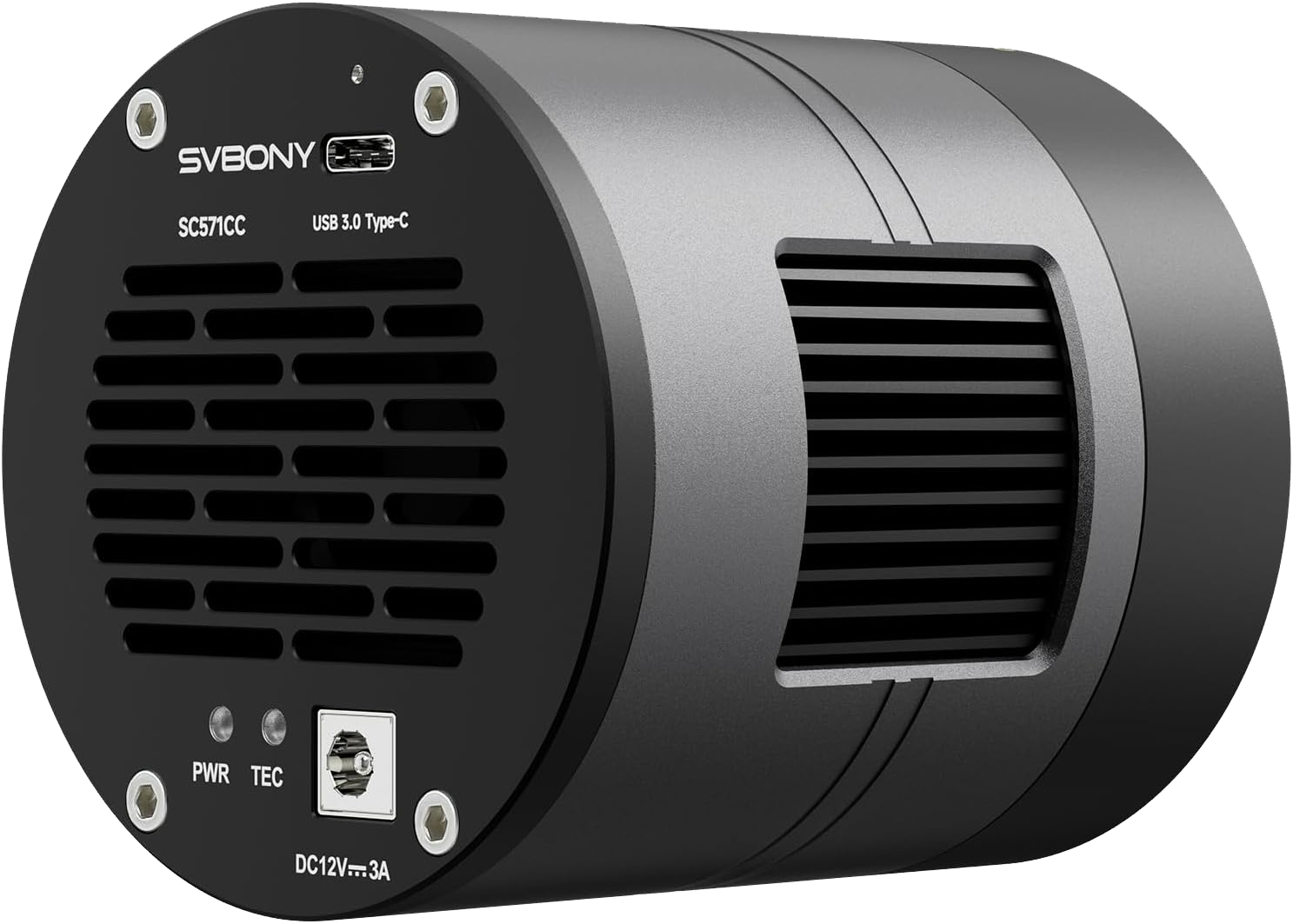
SC571 One Shot Color Camera IMX571 ASP-C Camera
My Video Review of the SC571 camera
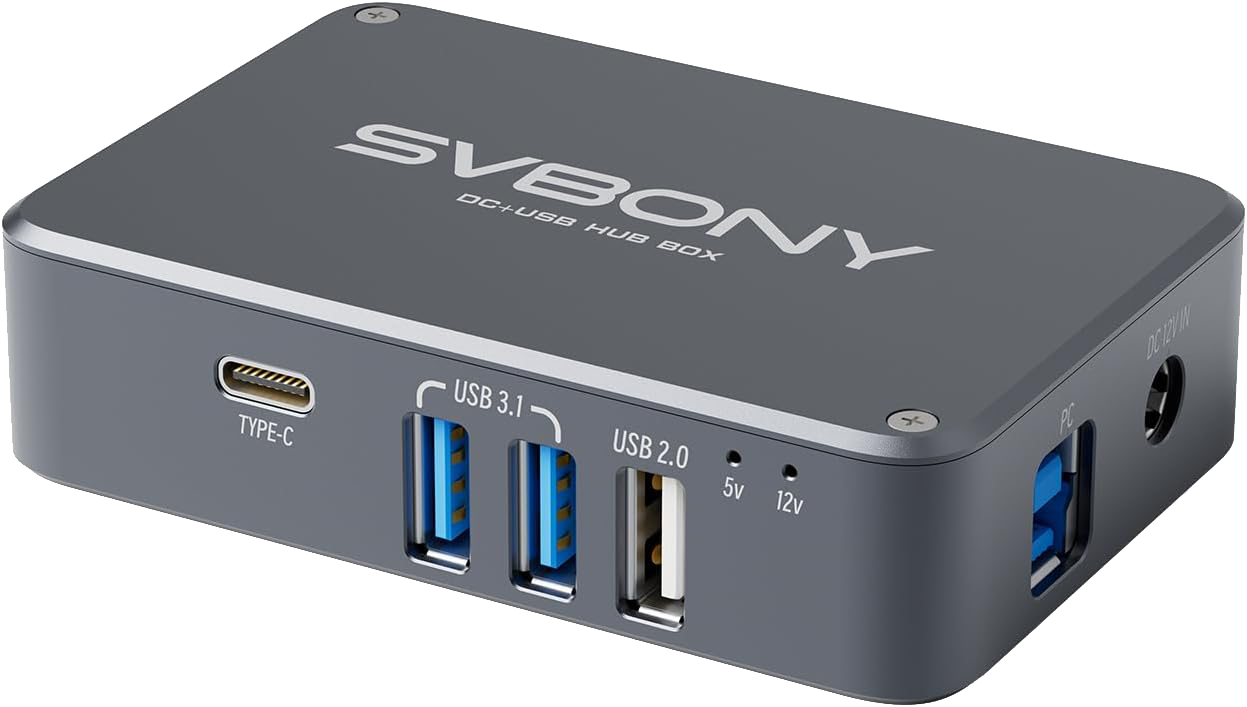
SVBONY SV241 Pro Astronomy Telescope Power Adapter, Micro DC USB HUB Box, High-Speed Output and Type-C Interface, Compatibility with Various Power Sources, Integrated USB Hub for Outdoor Astrophotography
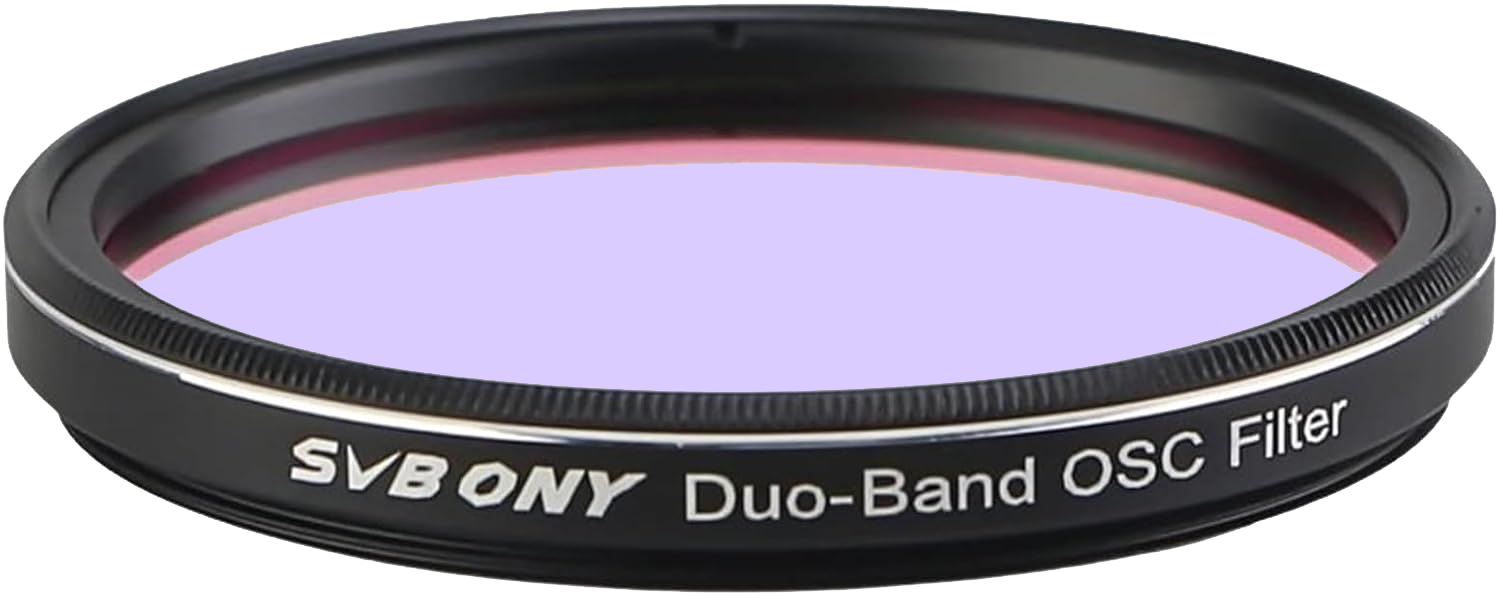
SVBONY SV220 Duo-Band Filter,2" Narrow-Band Filter H-Alpha & OIII Narrowband Astronomical Filter, Light Pollution Filters for Deep Sky Astrophotography Nebula Photography
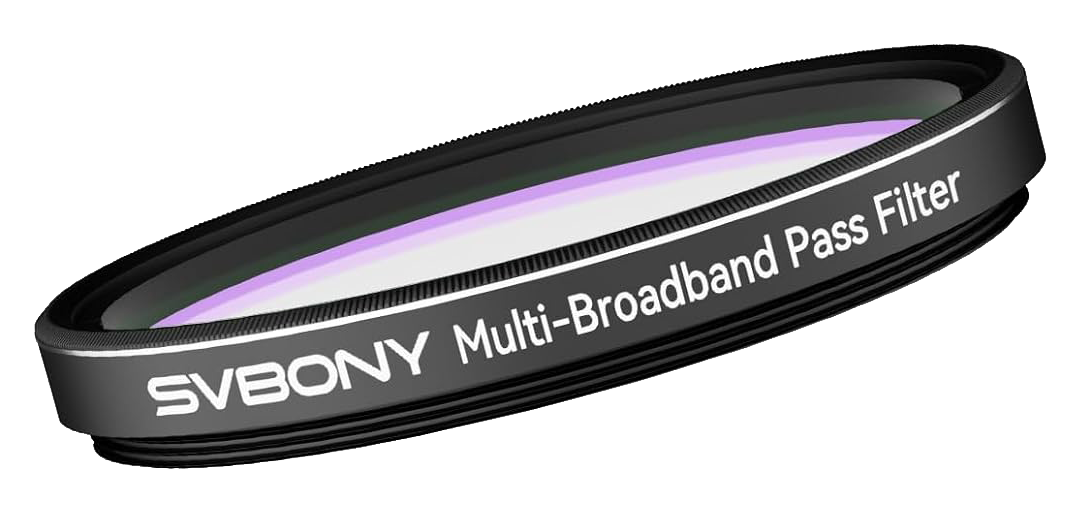
SVBONY SV260 Telescope Filter, 2" Multi-bandpass Star Field Filter
Other Products That I Use and Trust:
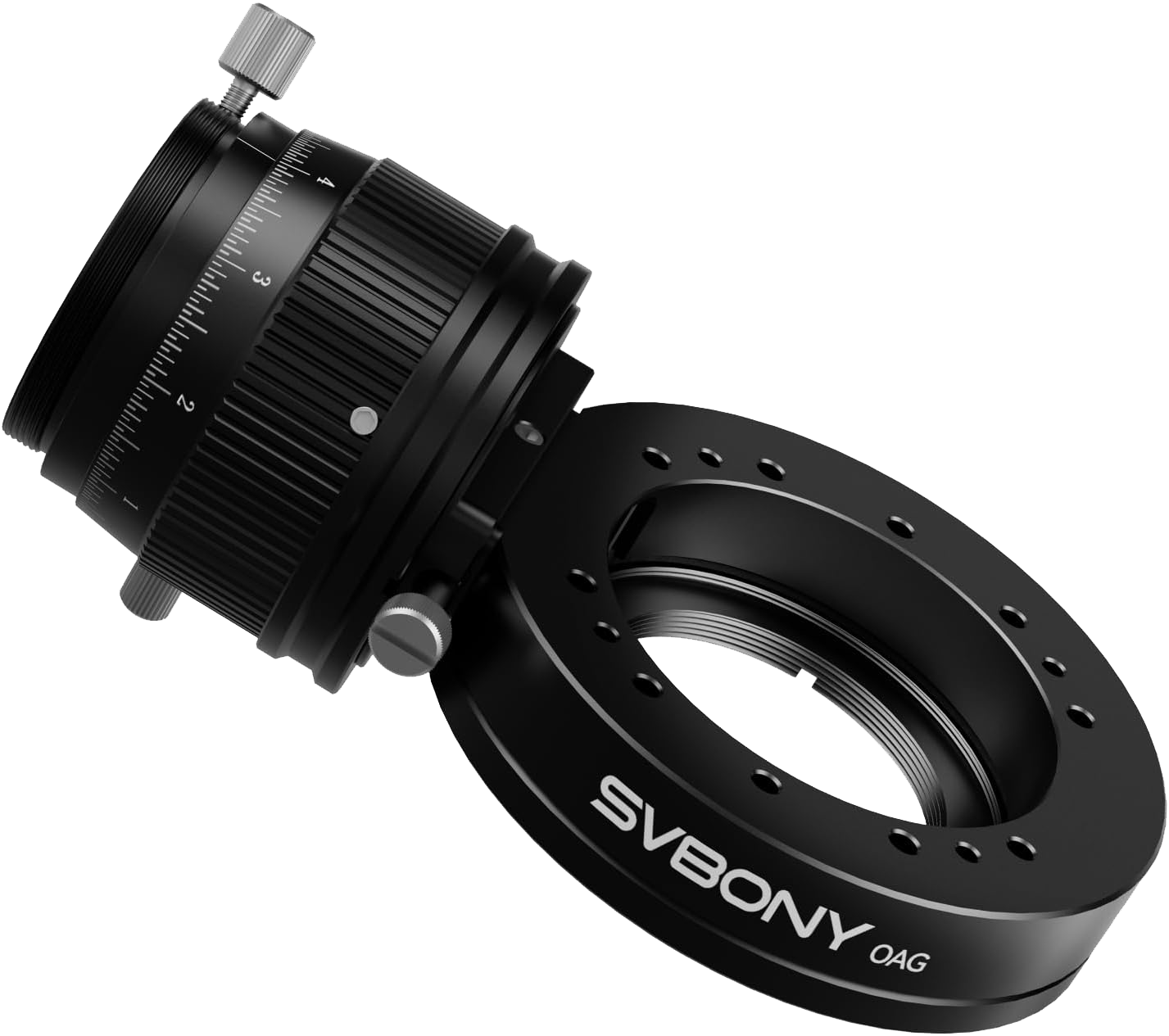
SVBONY SV238 Off-Axis Guider (OAG) 8x14mm Large Prism, Telescope Accessory
My Review of the SV238
***************************************************************
From Agena Astro:
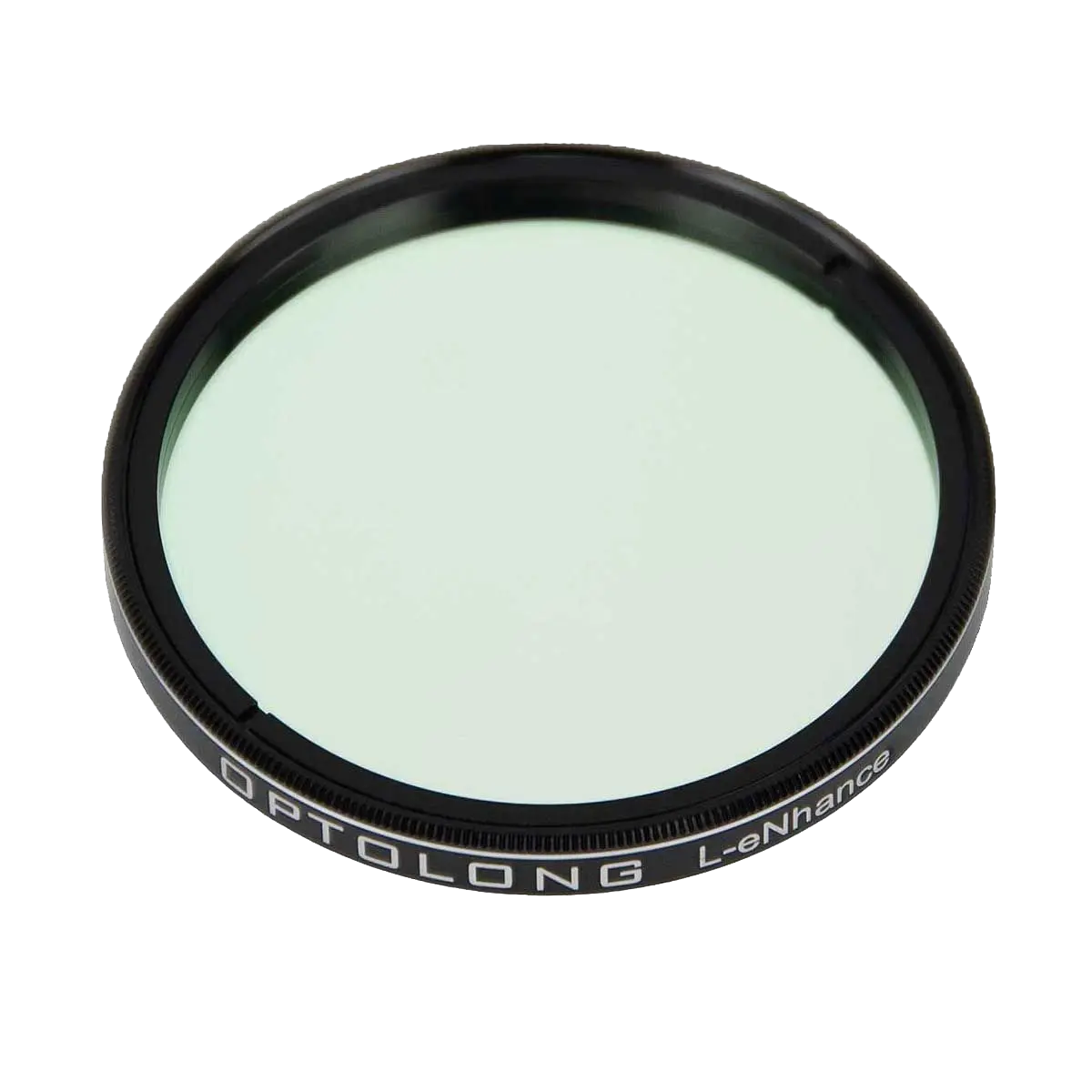
Optolong L-eNhance narrowbnad filter for One-Shot-Color camers
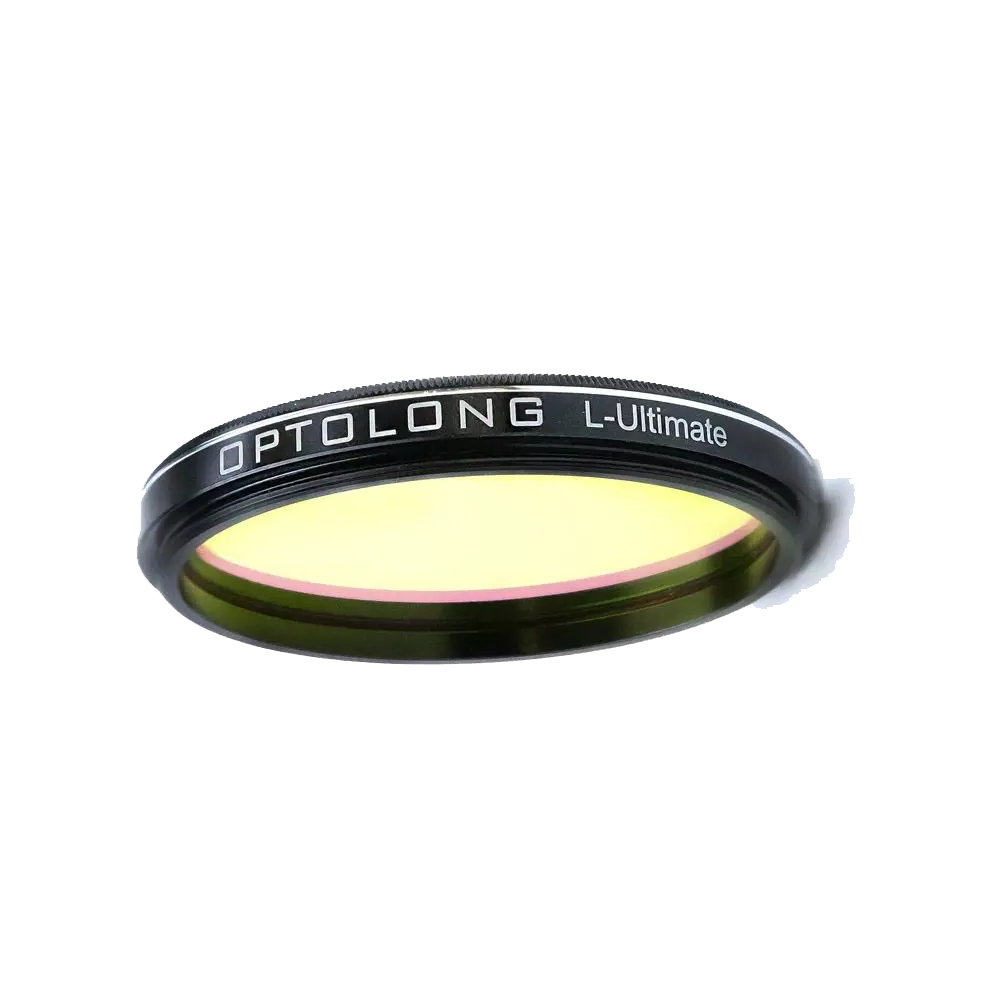
Optolong L-Ultimate narrowbnad filter for One-Shot-Color camers
Return to Pat Prokop's Heavenly Backyard Astronomy Page